

welcome to our blog
Seasonal tips, project inspiration, and helpful advice for Northern Virginia homeowners
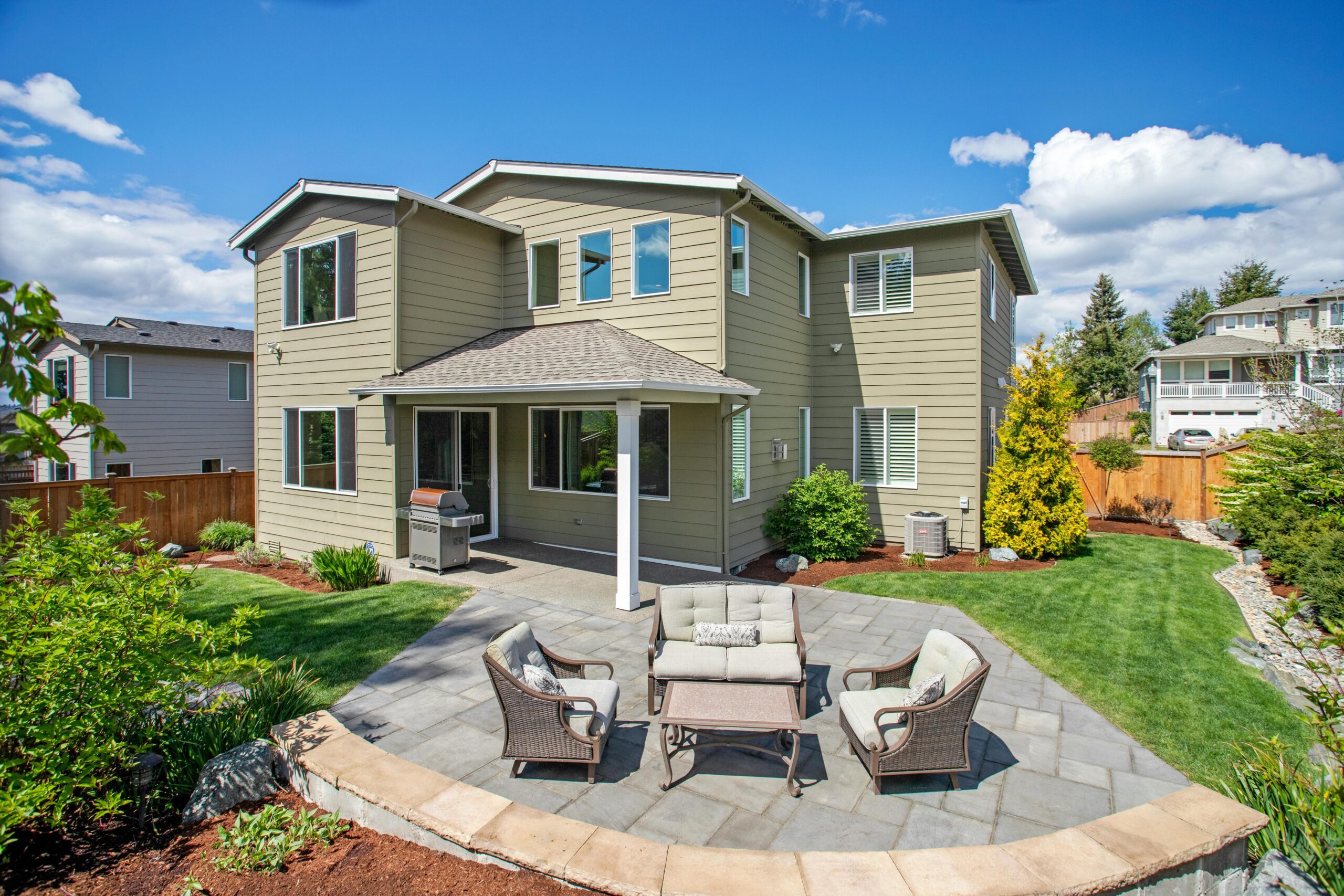
HOA Hardscaping in Prince William County: What You Need to Know Before You Build
If you live in a homeowners association community in Bristow, Gainesville, Haymarket, or Manassas, you already know that outdoor projects come with an extra step: HOA approval. For a lot of homeowners, that word alone is enough to put a great project on the back burner.
It does not have to be that complicated. With a little preparation and the right approach, getting approval for a patio, retaining wall, walkway, or outdoor living space is very manageable. This guide walks you through what HOAs actually look for, how the approval process works, and what kinds of designs tend to go smoothly.
Why HOAs Regulate Hardscaping
HOA rules around exterior projects exist for a straightforward reason: what you build on your property affects the look and feel of the whole neighborhood. That affects everyone’s property values, not just yours.
Hardscaping is permanent. A patio, a retaining wall, a fire pit, these are not things you move around seasonally. Because of that, HOAs pay close attention to materials, scale, and how new additions fit with the existing character of the community.
Most homeowners, once they understand the intent behind the rules, find that working with their HOA is a lot easier than expected. The goal is not to block your project. It is to make sure it looks right and holds up over time.
What Typically Requires Approval
Every HOA is different, but most require a formal review for the following types of projects:
- Patios and decks, including size, materials, and placement
- Walkways and driveways
- Retaining walls
- Outdoor kitchens and fire features
- Pergolas, gazebos, and similar structures
- Decorative or garden walls
- Landscape lighting beyond basic fixtures
- Water features
If you are not sure whether your project needs approval, always ask first. Most HOAs would rather field a quick question than deal with a non-compliant installation after the fact.
What HOAs Are Actually Looking At
When your project goes before an Architectural Review Board, there are a few core areas they focus on:
Materials
HOAs often specify which materials are acceptable or preferred. Natural stone, brick, and concrete pavers are widely approved in most communities because they hold up well and tend to complement existing architecture. The key is choosing materials that feel consistent with your home and the neighborhood, not materials that stand out for the wrong reasons.
Placement and Setbacks
Where you put a patio or wall matters as much as what it looks like. HOAs typically require a certain amount of clearance from property lines, utility easements, and existing structures. Getting this right before you submit saves a lot of back-and-forth.
Size and Scale
A project that is out of proportion with the lot or the home can raise flags even if the materials and placement are fine. HOAs want to see additions that feel balanced and intentional, not ones that overwhelm the yard or cut off light and views for neighboring properties.
Drainage and Grading
This is one area homeowners sometimes overlook, but HOAs take it seriously. Poor drainage can lead to runoff issues that affect the whole street or neighboring yards. If your project changes the grade of your property or adds impervious surface, you will likely need to show how water will be managed. Permeable pavers, French drains, and proper grading are all solutions that help here.
Architectural Style
Your hardscaping should feel like it belongs with your home. A patio that matches the stonework on your house, a wall that uses the same brick as your foundation, these details matter to review boards and they matter to the overall result.
How the Approval Process Works
Step 1: Read Your CC&Rs
Your community’s Covenants, Conditions, and Restrictions are the starting point for everything. Take time to read the sections on exterior alterations, landscaping, and architectural standards. Note any specific requirements around materials, setbacks, or the submission process itself. If something is unclear, call your HOA office and ask.
Step 2: Meet With Your Contractor
Before you start putting together an application, have a detailed conversation with the company doing the work. A contractor who has worked in HOA communities before will know what documentation the board expects and how to present the project clearly. That experience matters.
Step 3: Build a Complete Proposal
A well-prepared submission goes a long way. Your proposal should include a site plan with dimensions and placement, material specifications, any relevant drainage details, and visual references that help the board picture the finished project. The more complete your submission, the faster the review tends to go.
Step 4: Submit and Stay Available
Submit your application according to your HOA’s timeline and preferred method. Once it is in, stay accessible. If the board has questions or requests a revision, responding quickly keeps the process moving. Most revisions are minor, and a cooperative approach makes them easy to resolve.
Step 5: Get It in Writing
Once you receive approval, make sure it is documented in writing before any work begins. Keep a copy on file. This protects you and your contractor if any questions come up during or after the project.
Design Ideas That Work Well in HOA Communities
Patios and Walkways
A well-designed patio is the foundation of most outdoor living spaces. Natural stone, concrete pavers, and brick are all popular choices that tend to move through HOA review without issues. Clean lines and simple patterns work well. Walkways that tie into the patio design and lead guests naturally through the yard add both function and polish.
Drainage should be part of the design from the start. Proper grading, built-in drainage channels, or permeable paver systems keep water moving in the right direction and prevent problems down the road.
Retaining Walls
Retaining walls serve a real purpose on sloped lots, and they can look great when done right. The key is material consistency. A wall that uses the same stone or brick as the house feels intentional. One that uses a random material feels like an afterthought. Keep proportions reasonable, make sure drainage is addressed behind the wall, and you will have no trouble getting it approved.
Fire Features
Fire pits and outdoor fireplaces are popular for good reason. They extend the usable season of an outdoor space and give families a natural gathering spot. HOAs pay close attention to placement and clearances for fire features, so make sure your plan accounts for required distances from structures, property lines, and any overhead elements. Non-combustible materials, natural stone, brick, and concrete, are the way to go.
Outdoor Kitchens
An outdoor kitchen done well adds real value to a property. Durable countertops, stainless steel appliances, and a stone or brick surround tend to look clean. Just make sure the design addresses ventilation, utility connections, and safety clearances. A project like this benefits from a detailed proposal, since the board will want to see the specifics.
Lighting
Landscape lighting is one of the most underrated improvements you can make to an outdoor space. Path lighting, accent lighting on key features, and overhead lighting on a patio all add function and atmosphere. For HOA review, keep fixtures subtle and pointed downward so they do not create glare for neighbors. Low-voltage systems are widely approved and easy to work with.
Thinking About Drainage and Long-Term Performance
Any hardscaping project that adds impervious surface to a property, whether it is a patio, driveway, or walkway, changes how water moves across the yard. In Prince William County, where heavy rain events are common, that matters.
Permeable pavers are one of the most practical solutions available. They allow water to pass through the surface and into the ground rather than running off into neighboring yards or the street. Many HOAs in the area are receptive to permeable systems because they address stormwater concerns proactively.
French drains and channel drains are other options worth considering depending on the site. A good contractor will assess the property and recommend drainage solutions that work with the existing grade and soil conditions, not against them.
Pairing hardscaping with native plantings in adjacent beds is also worth thinking about. Native plants are adapted to this climate, require less maintenance, and help manage water naturally. They also soften the hard edges of a patio or wall in a way that tends to read well to review boards.
The Long-Term Value of Doing It Right
A well-built, HOA-approved outdoor space adds real value to your home. More homebuyers are prioritizing outdoor living when they shop for homes, and a clean, functional backyard stands out in a competitive market.
Beyond resale, there is the day-to-day value of having a space that works well for your family. A patio that gets used, a fire pit that becomes the spot for Friday nights, a walkway that makes the front of the house look sharp. These are the things that make a property feel like a home.
Getting the approval process right is a big part of that. A project that goes through cleanly, built with quality materials by a team that knows what they are doing, is one you can enjoy for years without worrying about what comes next.
Nova Scapes is here to help.
Getting hardscaping approved in an HOA community does not have to be complicated. With the right preparation, the right materials, and the right team behind you, the process is a lot more straightforward than most homeowners expect.
At Nova Scapes, we have worked with homeowners across Bristow, Gainesville, Haymarket, and Manassas on exactly these kinds of projects. We know what local HOAs look for, we know how to put together proposals that hold up to scrutiny, and we know how to build outdoor spaces that look great and last.
Whether you are thinking about a new patio, a retaining wall, or a full outdoor living space, we are happy to walk through your property with you and talk through what is possible.
No pressure. No guesswork. Just a clear conversation about your goals and an honest plan to get there.
Ready to get started? Request a free consultation with our team at Nova Scapes. We will take it from there.
