

welcome to our blog
Seasonal tips, project inspiration, and helpful advice for Northern Virginia homeowners
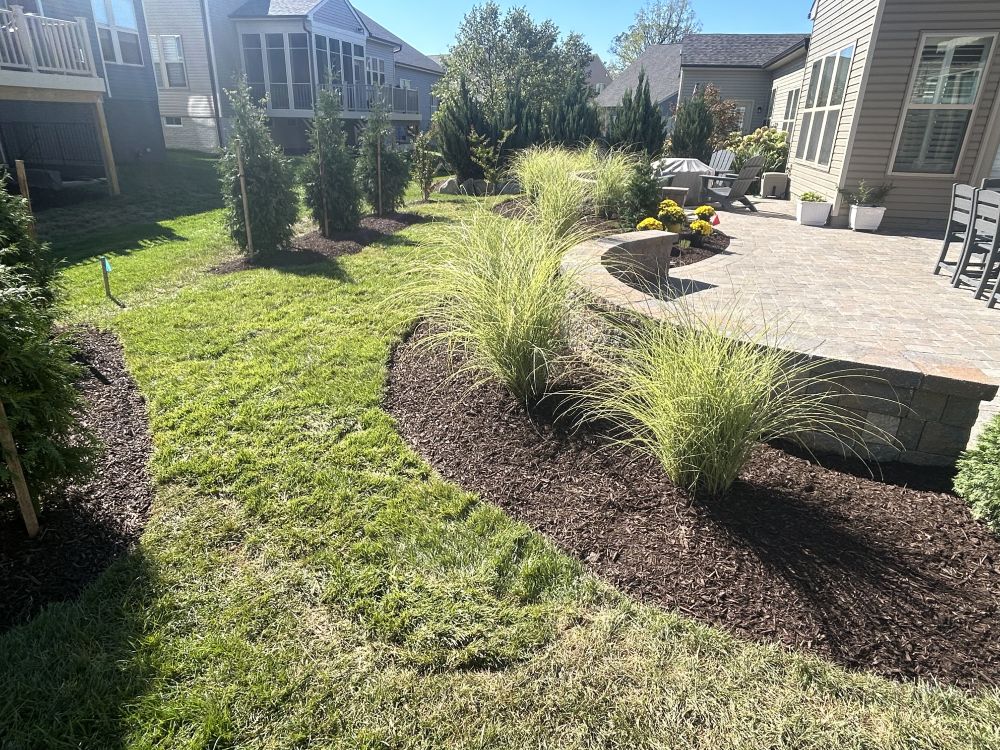
Patios, Fire Pits, and Outdoor Lighting: A Beginner’s Guide to Building Your Outdoor Living Space
A good outdoor living space doesn’t have to be complicated. It just has to work for your family and your property.
We hear it a lot from homeowners across Bristow, Gainesville, and Haymarket: they want to do something with their backyard, but they’re not sure where to start. The budget questions, the material decisions, the layout, the lighting; it can feel like a lot before you’ve even broken ground.
This guide breaks it down into three core elements: the patio as your foundation, the fire pit as your gathering point, and outdoor lighting as the layer that pulls it all together. Whether you’re starting from scratch or adding onto what you already have, here’s what you need to know.
The Patio: Your Foundation
Why Your Patio Matters More Than You Think
The patio is the starting point for everything else you want to do outside. It gives your space structure and purpose, turning an underused lawn into somewhere you actually want to spend time.
Without a solid surface to work from, everything else is harder: furniture sinks, foot traffic tears up grass, and entertaining becomes awkward. A well-built patio defines the space and sets the tone for the rest of your outdoor design.
Northern Virginia’s clay-heavy soil and freeze-thaw cycles also make proper base preparation non-negotiable. A patio that wasn’t built with the right gravel bed and drainage in mind will shift, crack, and heave within a few seasons. It’s worth doing the first time correctly.
Planning Your Patio: Where to Start
Before anything else, think about how you plan to use the space. A dining area for six needs different dimensions than a lounging zone or a spot for a grill. A few questions worth thinking through:
- What will this space primarily be used for?
- How many people do you typically want to accommodate?
- Where does the sun hit throughout the day, and how does shade move across your yard?
- How does traffic flow from your house to your backyard?
- What’s your realistic budget, including installation?
Getting these answers before you start picking materials will save you from redesigning mid-project.
Choosing Your Patio Materials
Material choice comes down to budget, aesthetics, and how much maintenance you’re comfortable with. Here’s a straightforward look at your main options:
Concrete
Concrete is one of the most versatile and affordable options. It can be stamped, stained, or brushed to create a range of looks. The trade-off is that poured concrete can crack over time, especially with our Northern Virginia freeze-thaw cycles. Proper installation with control joints helps manage this.
Pavers
Concrete or brick pavers are among the most popular choices we install. They drain naturally between joints, handle ground movement better than poured concrete, and are easier to repair if one section settles. They also come in a wide range of colors and patterns, so you have a lot of design flexibility.
Natural Stone
Flagstone, bluestone, and slate offer a look that’s hard to match. These materials age well, hold up to Northern Virginia summers, and feel like a natural extension of the landscape. They’re the premium option, both in cost and in the skill required to install them properly.
Gravel and Decomposed Granite
If you’re looking for a more relaxed, natural look on a tighter budget, gravel and decomposed granite are worth considering. They drain well and have a lower upfront cost, though they require more regular upkeep and aren’t as stable underfoot as solid materials.
Layout and Flow: Thinking Beyond the Surface
A well-designed patio isn’t just a square slab; it’s a space that makes sense to move around in. Think about creating distinct zones: a dining area, a seating area, maybe a spot near the grill. Clear pathways between those zones matter, and so does the transition from the patio to the rest of your yard.
The shape of your patio should also respond to your house. A curved edge can soften an angular home. A more formal rectangular layout suits a structured landscape. There’s no single right answer, but the best patios feel intentional, not just dropped in.
A good patio makes every other outdoor improvement easier. It’s the investment that makes the rest of it possible.
The Fire Pit: Your Gathering Point
Why a Fire Pit Changes How You Use Your Yard
There’s something about a fire that pulls people together. A fire pit turns a patio into a destination, gives your outdoor space a focal point, and extends the time you spend outside well into fall. For families in our area, it’s one of the most-used features we install.
It’s not just about ambiance either. A well-placed fire pit adds real function to your outdoor space, giving you a reason to be outside on cooler evenings when you’d otherwise be inside.
Understanding Your Options: Fuel Types and Fire Pit Styles
There are three main fuel types, and each has real trade-offs worth understanding before you choose:
Wood-Burning Fire Pits
Wood-burning pits deliver the classic outdoor fire experience: crackling sound, real smoke, the smell of burning wood. They’re often less expensive to purchase upfront, but you’ll need to source and store wood, manage ash, and deal with smoke direction depending on the wind.
Gas Fire Pits (Propane or Natural Gas)
Gas fire pits are our most requested option. They light instantly, don’t produce ash, and can be dialed up or down based on how much heat you want. Natural gas requires a line run to the pit, which means professional installation. Propane is more flexible but requires tank refills. Both are a cleaner, lower-maintenance experience than wood.
Pellet Fire Pits
Pellet fire pits use compressed wood pellets for fuel. They burn efficiently, produce minimal ash, and are a solid middle-ground option between wood and gas. They require a dedicated pellet supply and a bit more attention to operate than gas, but they’re cleaner than traditional wood.
Beyond fuel, you’ll also choose between a portable fire pit (good for flexibility in smaller spaces) and a permanent built-in structure (better for making the fire pit a true design feature of your outdoor room).
Placement and Safety: Getting It Right
This is not an area to guess at. A fire pit placed too close to structures, fences, or overhanging trees is a safety risk. Here’s the standard guidance:
- Maintain at least 10 to 25 feet of clearance from any combustible structure or material
- Account for prevailing wind direction so smoke doesn’t blow toward your house or seating area
- For permanent installations, contact your utility companies before digging to identify underground lines
- Check your local municipality’s fire pit regulations, as some Northern Virginia communities have specific rules
When we design fire pit placements for clients, we take all of these factors into account before finalizing any layout.
Design and Media: Making It Look Right
Common fire pit materials include steel, cast iron, concrete, and natural stone. The style can range from a simple steel bowl to an elaborate built-in structure with seating walls and integrated lighting. Fire pit tables are also popular because they add surface area and blend function with design.
For gas fire pits, the material inside the bowl matters too. Lava rock is standard and durable. Fire glass, available in a range of colors, reflects the flames and creates a more polished look. Ceramic logs are a good option if you want the appearance of wood without the maintenance.
Fire Pit Accessories Worth Having
A few things make a big difference in day-to-day use:
- A cover to protect the fire pit when it’s not in use, especially through our wet winters
- A spark screen for wood-burning pits to keep embers contained
- Cooking grates and tools if you plan to use the pit for grilling or roasting
- Carrying bags for portable units
The fire pit is often the piece clients tell us they wish they’d installed sooner. It changes how often your family actually uses the backyard.
Outdoor Lighting: The Layer That Ties It Together
Why Outdoor Lighting Is Worth Planning Carefully
Good outdoor lighting does a few things at once: it makes your space safer, extends how long you can use it in the evening, and dramatically changes how your property looks after dark. A patio that’s beautiful during the day can feel completely different at night with the right lighting.
It also adds real curb appeal. Well-lit landscape features, a lit walkway, and ambient patio lighting communicate that a property is cared for. That matters for how your home presents to neighbors and guests, and it matters for long-term property value.
Thinking in Layers: The Three Types of Outdoor Light
The best outdoor lighting designs use multiple types of light working together, not just one. Here’s how to think about it:
Ambient Lighting
Ambient light is your general illumination: pathway lights, overhead lighting on a covered patio, or area lights that make the space navigable and safe. This is your baseline layer.
Task Lighting
Task lighting is focused on specific activities. A light above your grill area so you can see what you’re cooking. A brighter fixture over a dining table so guests can see their food. This layer is about function.
Accent Lighting
Accent lighting highlights what makes your property distinctive. Uplighting on a mature tree. A wash of light along a retaining wall. Downlighting from a pergola overhead. This is the layer that adds atmosphere and visual interest.
Common Outdoor Lighting Fixtures
Knowing what’s available helps you make decisions that fit both your space and your budget:
- String lights: Versatile, easy to install, and great for creating a warm overhead atmosphere over patios or pergolas
- Wall sconces and lanterns: Mounted to your home or fence, these provide ambient light and add architectural detail
- Path lights: Low-profile fixtures along walkways and garden beds that improve safety and define your landscape edges
- Spotlights: Ideal for uplighting trees, highlighting retaining walls, or accenting hardscape features
- Deck and step lights: Small fixtures built into decking or steps that provide crucial safety lighting
- Outdoor table lamps: For covered patios, these bring a comfortable indoor feel to outdoor furniture groupings
Power Options: Wired, Solar, or Battery
Low-Voltage Wired Systems
This is the most reliable option and what we typically recommend for permanent installations. Low-voltage systems convert household power to a safer level for exterior use, can be connected to timers and dimmers, and deliver consistent brightness regardless of weather.
Solar-Powered Lights
Solar lights have improved significantly and work well for path lighting and accent use in areas that get good sun exposure. They require no wiring and are easy to install yourself. The trade-off is that performance drops during cloudy stretches, which is worth factoring in for our Northern Virginia winters.
Battery-Operated Lights
Battery lights are good for temporary or accent use where running a wire isn’t practical. They’re not ideal as a primary lighting source but can fill in gaps or supplement a wired system.
Placement: Where Your Lights Go Matters As Much As What You Choose
Light entryways and pathways so guests feel welcomed and can move safely. Illuminate your seating and dining areas so they’re usable after dark. Use uplighting to give trees and shrubs some presence at night. Add downlighting from overhead structures to create a layered, warm effect over your main gathering areas.
One common mistake is over-lighting. You don’t want your backyard to look like a parking lot. The goal is a warm, layered effect where you can see everything clearly without feeling like you’re under harsh overhead lights.
Outdoor lighting is one of the more underestimated parts of a landscape project. Done well, it extends how you use the space and changes how your entire property feels.
Bringing It All Together
How These Three Elements Work as a System
The patio, fire pit, and lighting are each useful on their own, but they’re most effective when they’re designed together. The patio sets the footprint. The fire pit gives the space a focal point. The lighting frames everything and makes it all usable after dark.
There are practical reasons to think about them as a system too. Your fire pit placement should be decided before your patio is poured, not after. Your lighting plan should account for where furniture will go and where you want to highlight hardscape features. Running conduit for a wired lighting system is much easier during a patio installation than coming back to add it later.
When we work with clients on outdoor living projects, we try to look at the full picture from the start. It saves money, reduces disruption, and produces a more cohesive result.
Budgeting Realistically
Outdoor living projects can range widely in cost depending on materials, scope, and whether you’re phasing the work over time. A few things that help clients stay on track:
- Identify which element is most important to your family and prioritize it. Get the patio done right first if that’s your anchor piece.
- Understand the difference between material costs and installation costs. Natural stone looks great in a showroom, but the labor to set it properly is significant.
- Ask about phasing. There’s no rule that says everything has to happen at once. We often help clients plan in stages so the project fits their budget without compromising the long-term vision.
- Factor in Northern Virginia specifics: proper gravel base depth, drainage considerations, and cold-weather material performance all affect cost and longevity.
Maintenance: What to Expect Long-Term
Every outdoor material and fixture requires some level of upkeep. Knowing what that looks like before you install helps set reasonable expectations.
Patio
Sweep regularly to keep debris from settling into joints and staining the surface. Concrete patios benefit from periodic sealing. Pavers may need re-sanding between joints over time, and occasionally individual pavers will need to be reset if they shift. Natural stone is durable but can develop moss or staining that needs to be addressed.
Fire Pit
Wood-burning pits need regular ash removal and occasional firebox cleaning. Gas fire pits should be checked seasonally for debris in the burner and inspected for any gas line wear. Keep covers on your fire pit when it’s not in use, especially through winter. Northern Virginia’s wet seasons are hard on exposed metal.
Outdoor Lighting
Wipe fixtures down periodically to keep them clear of dust and spiderwebs. Inspect wiring connections once a year, especially after a hard winter. Replace bulbs as needed. For solar panels, a clean surface makes a real difference in charging efficiency.
Working With a Smaller Space
You don’t need a large backyard to have a functional outdoor living area. Some of the most well-used spaces we’ve designed are compact. A few approaches that work well:
- Multi-use furniture: pieces that double as storage, or benches that also define a planting bed
- Smaller fire pit options, including tabletop models, that work within tighter dimensions
- Vertical elements like wall-mounted lighting or trellises that add visual interest without taking up floor space
- Smart patio layout that creates clear zones without cramming too many pieces into the footprint
Small spaces reward intentional design more than any other. Every decision matters more when you don’t have room to work around a mistake.
Ready to Start Planning Your Outdoor Space?
A well-built patio, a fire pit that actually gets used, and outdoor lighting that makes your backyard feel like an extension of your home; these aren’t complicated concepts. They just require the right planning and the right installation.
We’ve been helping homeowners across Bristow, Gainesville, Haymarket, and Manassas build outdoor spaces they’re proud of since 2013. We show up when we say we will, we do the work correctly, and we treat your property like it’s our own.
If you’re thinking about adding a patio, a fire pit, or landscape lighting to your property, we’re happy to walk through the options with you. No pressure, just a straightforward conversation about what makes sense for your space and your budget.
On Time. Done Right. Neighbors Helping Neighbors.
