

welcome to our blog
Seasonal tips, project inspiration, and helpful advice for Northern Virginia homeowners
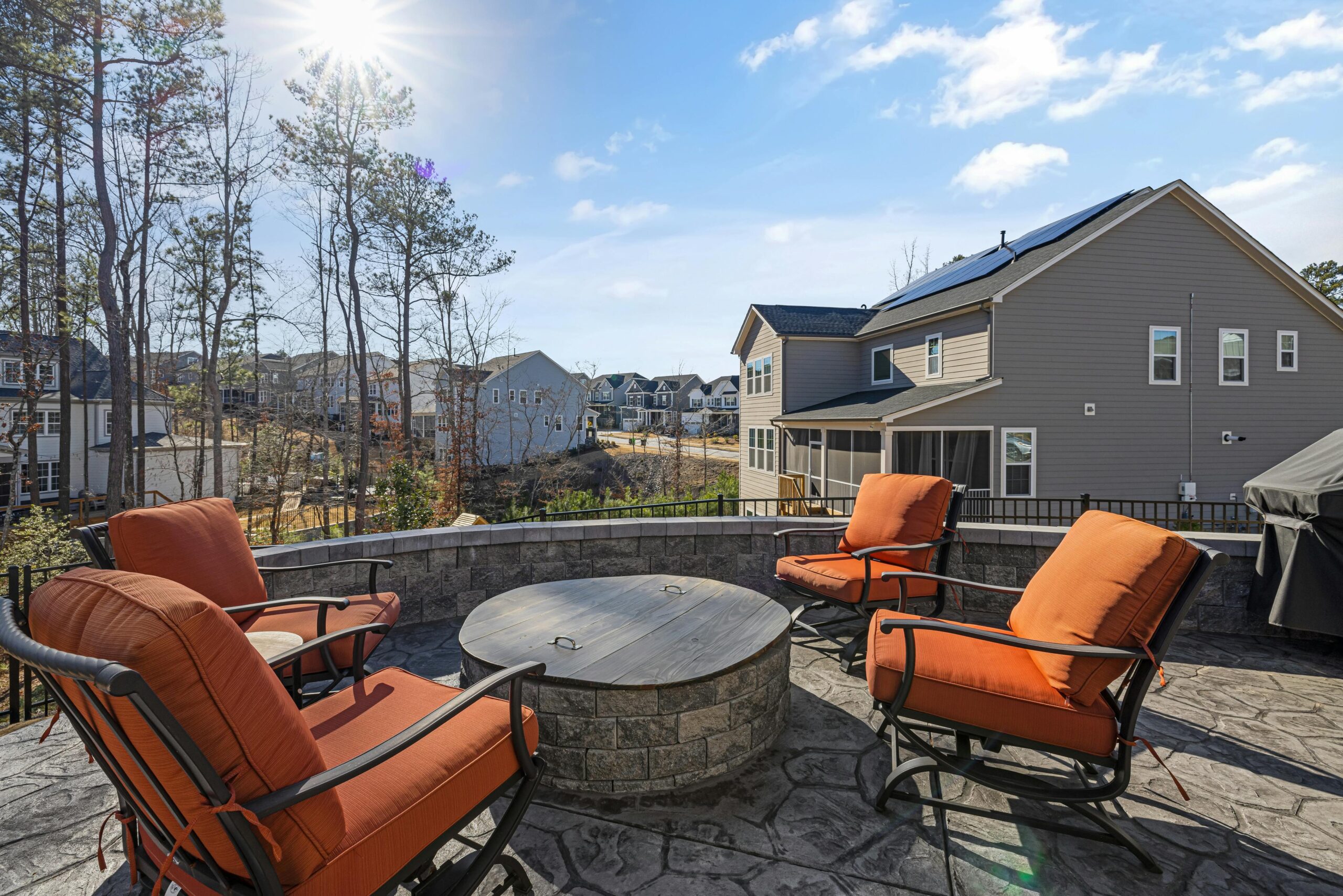
Patios, Fire Pits, and Outdoor Lighting: A Homeowner’s Guide to Outdoor Living
There’s something special about a backyard that actually gets used. Whether it’s a quiet evening with a fire going, dinner outside on a warm night, or just a place to sit and wind down after a long week, a well-designed outdoor space changes how you live at home.
At Nova Scapes, we talk to homeowners across Bristow, Gainesville, Haymarket, and Manassas who have the space but haven’t quite unlocked it yet. This guide is for them: a straightforward look at three elements that, when done right, turn a yard into an outdoor room you’ll actually want to spend time in.
Your Outdoor Space as a Room
Think of your backyard the same way you think about any other room in your home. It has a purpose. It has a flow. And when it’s set up well, it feels comfortable and functional.
The goal isn’t just to make it look good from the inside. It’s to create a space you use regularly, one that fits your lifestyle and holds up through Northern Virginia seasons. That means planning for clay soil, freeze-thaw cycles in the winter, and hot, humid summers. The material and design choices you make upfront determine how that space holds up over time.
The Patio
Why the Patio Comes First
The patio is the foundation of your outdoor room. It gives you a stable, defined surface for furniture, for gathering, and for everything else you want to do outside. Without it, you’re working around grass and uneven ground instead of building on something solid.
A well-built patio also extends your living space in a meaningful way. It connects your indoor rooms to the outdoors and gives your yard a clear sense of purpose.
Planning It Out
Before anything gets installed, it’s worth spending time on a few questions. How do you plan to use the space? A family that wants a dining area has different needs than one looking for a lounging zone with a fire pit nearby. How many people do you typically host? Where does the sun hit throughout the day? Which entry point from the house makes the most sense?
Getting these questions answered early makes a big difference. It’s much easier to plan for a future grill area or second seating zone before the patio is installed than to work around one later.
Choosing Your Material
Here’s a quick look at the most common patio materials and what they’re best suited for in this region:
- Concrete: Versatile and cost-effective. It can be stamped or stained to mimic the look of natural stone or brick. It holds up well when properly sealed but can develop cracks over time, especially with Virginia’s freeze-thaw cycles.
- Pavers: One of the most popular choices we install. Pavers come in concrete, brick, or natural stone. Their interlocking design allows for natural drainage and handles ground movement better than poured concrete. They’re also easier to repair if one section settles or shifts.
- Natural Stone: Flagstone, slate, and granite are beautiful and durable. They add a natural look that’s hard to replicate. The cost is higher and installation takes more care, but the results last.
- Gravel or Decomposed Granite: A more natural, rustic option that drains well and works nicely in certain landscape styles. It requires occasional maintenance to stay level and may not be the best fit for furniture-heavy spaces.
Layout and Flow
Good patio design isn’t just about materials. It’s about how the space actually functions. Think about creating distinct zones within the patio: a dining area, a lounging area, and clear pathways between them and back to the house. The shape should complement your home’s architecture and the natural layout of your yard. A curved patio can soften sharper lines, while a rectangular layout creates a clean, ordered feel.
The Fire Pit
What a Fire Pit Actually Does for a Space
A fire pit changes the energy of a backyard. It becomes the natural center of the space, drawing people together. It extends the usability of your outdoor room into fall and cooler spring evenings, which in Northern Virginia means you get a lot more use out of your patio investment.
Beyond the warmth and the ambiance, a well-placed fire pit adds genuine value to a property, especially in neighborhoods where outdoor living is a priority.
Types and Fuel Options
- Wood-Burning: The classic experience. There’s nothing quite like a real wood fire: the smell, the crackling, the look of an open flame. The trade-off is sourcing and storing firewood and managing ash. Some HOAs in our area also restrict open wood-burning fires, so it’s worth checking before you commit.
- Gas (Propane or Natural Gas): Clean, convenient, and easy to control. You get consistent heat and can turn it on and off without the prep work of a wood fire. Natural gas requires professional installation for the line, and propane tanks need to be refilled. For a lot of our clients, the convenience is worth it.
- Pellet: Compressed wood pellets burn efficiently with minimal ash. A solid middle-ground option if you want the feel of a wood fire with less cleanup.
Fire pits also come in portable and permanent versions. Portable units work well in smaller spaces or when you want flexibility. Built-in fire pits, including fire pit tables or stone surround structures, create a more finished, intentional look.
Placement and Safety
Safety drives placement decisions. You want a minimum of 10 to 15 feet of clear space around the fire pit, away from any combustible materials including fences, overhanging trees, and your home’s exterior. Think about where prevailing winds come from so smoke isn’t blowing into seating areas. For permanent installations, we always check for underground utility lines before breaking ground.
Design and Accessories
Fire pits can be built from steel, concrete, stone, or cast iron. The media inside the pit, meaning what fills the bowl or base, affects both the look and heat distribution. Lava rock, fire glass, and ceramic logs are the most common options. Fire glass is popular for gas fire pits because it reflects the flame and gives a clean, modern look.
For wood-burning pits, a spark screen is essential. A log grate and basic fire tools keep things manageable. A cover protects the pit when it’s not in use and extends its lifespan. For portable pits, a carrying bag makes storage easy.
Outdoor Lighting
What Lighting Actually Does
Good outdoor lighting does three things: it keeps people safe, it extends how late you can enjoy the space, and it makes the yard look great. Pathway lights guide guests safely. Perimeter lighting discourages trespassers. And well-placed accent lighting makes a well-designed yard look even better after dark.
In Northern Virginia, where evenings in spring and fall are genuinely beautiful, lighting is what lets you take full advantage of the outdoor room you’ve built.
Layering Your Light
The key to lighting that works is layering three types:
- Ambient: General illumination that gives the space a base level of light. Think pathway lights, overhead string lights, or downlights from a pergola or overhead structure.
- Task: Focused light for specific purposes, such as a light above a grill or cooking area, or brighter fixtures over a dining table.
- Accent: Light that highlights specific features: an uplighted tree, a textured retaining wall, a planting bed. This is what adds depth and character to the space after dark.
Fixture Types
- String Lights: Versatile and welcoming. Hung overhead, they create a canopy effect that makes a seating area feel enclosed and cozy. A popular choice over fire pit seating zones.
- Path Lights: Low-profile fixtures along walkways and garden paths. They define the edges of your space and keep footing safe.
- Wall Lights and Sconces: Mounted on exterior walls or columns. They add architectural detail and provide security lighting near entries.
- Spotlights and Uplights: Used to highlight trees, specimen plants, or hardscape features. These are what give a landscape that polished, finished look at night.
- Deck and Step Lights: Small fixtures built into decks or steps. Understated but important for safety on level transitions.
- Lanterns: A classic touch that works hung, placed on surfaces, or mounted on posts. They complement a wide range of outdoor styles.
Power Options
- Low-Voltage Wired Systems: The most reliable and most common for permanent installations. Consistent brightness, long-lasting, and safe for DIY installation in most cases.
- Solar: No wiring needed. Performance depends on sunlight availability, and output is generally lower than wired systems, but the technology has improved significantly. Good for pathway lighting and accent applications.
- Battery-Operated: Flexible and easy to reposition. Best for temporary or seasonal accent lighting rather than primary illumination.
Placement Strategy
Light the entry points first. Then work outward: pathways, seating areas, and finally the landscape features you want to highlight. Downlighting from pergolas or overhangs creates a warm, intimate feel over a seating zone. Uplighting trees and plant beds adds height and visual interest. The goal is a space that looks and feels just as good at 9 p.m. as it does at noon.
Putting It All Together
How These Elements Work as a System
A patio, a fire pit, and good lighting are each valuable on their own. Together, they create something genuinely special. The patio gives you the platform. The fire pit gives you a natural gathering point. The lighting ties it all together after dark and makes the space usable and inviting year-round.
The best outdoor spaces we build are the ones where these elements were planned together from the start. When the fire pit placement informs the seating layout, and the seating layout informs where the lighting goes, the result feels intentional, not pieced together.
Phasing the Project
Not every outdoor project has to happen all at once. A lot of homeowners we work with start with the patio and fire pit, then add lighting in a second phase. As long as the plan accounts for future additions upfront, like conduit runs for future lighting or a gas stub for a future fire pit, phasing works well and keeps the project manageable.
Maintenance
- Patio: Sweep regularly. Seal concrete periodically to protect against moisture and staining. Check paver joints and re-sand as needed. Inspect for any settling after harsh winters.
- Fire Pit: Wood-burning pits need regular ash removal and cleaning. Gas burners should be checked for debris seasonally. Keep a cover on the pit when it’s not in use.
- Lighting: Wipe fixtures clean. Replace burned-out bulbs promptly. Inspect wired connections for corrosion, especially after wet winters. Keep solar panels clear for maximum charging.
Working in Smaller Spaces
Compact yards can still be great outdoor rooms. Multi-use furniture helps: ottomans with storage, benches with built-in planters. Smaller or tabletop fire features work well when a full-size fire pit isn’t practical. Vertical elements like wall-mounted lighting and hanging planters draw the eye upward and make a tight space feel larger. Smart layout and lighting go a long way.
Ready to Get Started?
You don’t have to figure all of this out on your own. If you’re thinking about a patio, a fire pit, outdoor lighting, or all three, we’re happy to walk through your space and talk about what makes sense for your yard and your budget.
We serve homeowners across Bristow, Gainesville, Haymarket, Manassas, and the surrounding communities in Northern Virginia. Reach out to schedule a consultation and let’s talk about your property.
