

welcome to our blog
Seasonal tips, project inspiration, and helpful advice for Northern Virginia homeowners
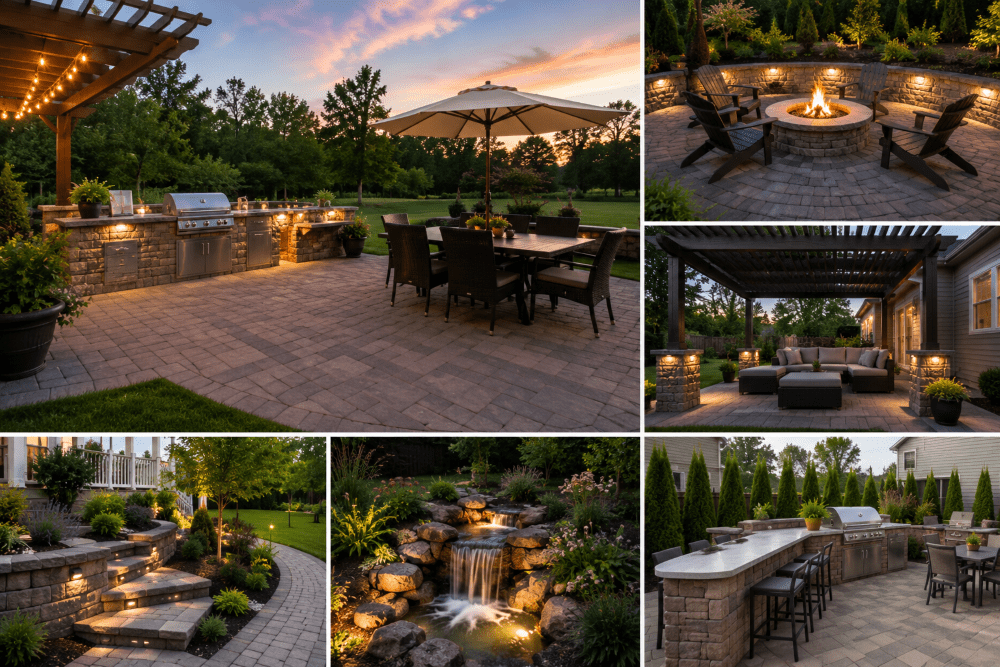
HOA-Friendly Landscaping Design Tips
Landscaping in Piedmont Haymarket, VA
Landscaping in a community like Piedmont in Haymarket, VA comes with a layer of planning that homeowners in unregulated neighborhoods do not deal with. HOA guidelines govern what you can plant, where you can plant it, how tall it can grow, what hardscaping materials are allowed, and in some cases, even what color your mulch needs to be.
That does not mean you cannot have a beautiful, distinctive yard. It means the planning has to be done right. At Nova Scapes, we have worked with homeowners in Piedmont, Dominion Valley, and other HOA-governed communities throughout Haymarket and western Prince William County for more than a decade. Here is what we have learned about designing landscapes that pass HOA review and still look exactly the way the homeowner wants.
What Are HOA Landscaping Requirements in Haymarket, VA?
HOA landscaping requirements in Haymarket vary by community, but most planned communities in this area, including Piedmont and Dominion Valley, govern landscaping through a set of Architectural and Landscape Standards enforced by an Architectural Review Committee. These standards typically address:
- Plant selection: Many HOAs maintain approved or prohibited plant lists. Invasive species and plants that exceed height limits near property lines or sight lines are commonly restricted.
- Hardscaping materials: Patio pavers, walkways, retaining walls, and edging materials are often regulated for color, material type, and finish to maintain consistency within the community.
- Lawn maintenance standards: Grass height, weed management, and overall tidiness are frequently enforced with minimum standards.
- Mulch and ground cover: Some HOAs specify approved mulch colors or prohibit certain ground cover materials such as white rock or rubber mulch.
- Fencing and structures: Fence materials, heights, and placement are commonly regulated. Garden structures, trellises, and raised beds may also require approval.
- Tree removal and planting: Removing or planting trees above a certain caliper may require HOA approval and, in some cases, a county permit.
The most reliable way to understand your specific HOA requirements is to request the current Architectural and Landscape Standards from your HOA management company before planning any project. This document is the governing reference, not informal community norms or what your neighbor did last year.
What Makes a Landscape Design HOA-Friendly?
An HOA-friendly landscape design is one that meets the community standards while achieving the homeowner’s goals for the space. The key is designing with the standards in mind from the beginning rather than designing what you want and then trying to make it compliant after the fact.
In practice, HOA-friendly landscape design in communities like Piedmont means:
- Using plants that stay within height and spread limits at maturity, not just at planting
- Selecting hardscaping materials and colors from the approved list or consistent with community precedent
- Positioning features like seat walls, planters, or ornamental beds within setback requirements
- Designing drainage plans that do not redirect water onto neighboring properties
- Documenting the plan clearly enough to support an ARC submission
When a landscape design is built around these parameters from day one, the ARC approval process is faster, smoother, and far less likely to result in required revisions.
HOA Landscaping Design Tips for Piedmont and Haymarket Homeowners
Tip 1: Get the HOA standards document before you do anything else
Before you call a contractor or start browsing plant options, request the current Architectural and Landscape Standards from your HOA. This document will tell you exactly what is allowed, what requires approval, and what is prohibited. Designing without it is designing blind. Revisions after the fact cost time and money that could have been avoided.
Tip 2: Think in terms of mature size, not planting size
One of the most common HOA violations in Haymarket communities is plants that were compliant at installation but grew beyond allowed height or spread limits within a few years. Arborvitae planted as a six-foot privacy screen can reach 20 feet or more at maturity. Ornamental grasses that look tidy at planting can spread into neighboring beds. Always evaluate plants by their mature dimensions, not the size they are when you buy them.
For Piedmont and similar HOA communities, the most reliable approach is to focus on plants with predictable, manageable growth habits. Native Virginia plants, compact ornamental shrubs, and low-growing perennials tend to be both HOA-compatible and well-suited to Prince William County’s clay soil and seasonal conditions.
Tip 3: Choose hardscaping materials that align with community standards
In communities like Piedmont and Dominion Valley, hardscaping materials are often explicitly regulated or subject to architectural review. Concrete pavers in neutral tones, natural stone, and manufactured segmental block from established manufacturers like Belgard or Techo-Bloc are generally compatible with most Haymarket HOA standards. Bright or highly contrasting colors, exposed aggregate, and non-standard finishes are more likely to require additional review or be declined.
When in doubt, look at what other homeowners in your community have had approved. Established precedent carries weight in most HOA review processes.
Tip 4: Plan drainage into every hardscaping project
HOAs in Haymarket and Piedmont are particularly attentive to drainage impacts because the clay-heavy soil in this area is already prone to runoff and erosion. A patio or hardscape area that redirects water onto a neighboring property or toward community green space is likely to trigger an HOA complaint or a required modification, regardless of whether it was approved.
Good drainage design means building positive slope away from structures, incorporating permeable edge treatments where appropriate, and accounting for where water goes during a heavy Virginia rainstorm, not just average conditions.
Tip 5: Document your plan before submitting to the ARC
ARC submissions that are vague or incomplete are the primary reason approvals get delayed. A well-prepared submission includes a site plan or scaled sketch showing the location of new features relative to property lines and structures, a plant list with mature dimensions, a materials spec with manufacturer and product name for any hardscaping, and a drainage narrative if the project affects site grading.
Nova Scapes prepares project documentation that supports the ARC submission process. We have worked with enough HOA communities in Haymarket to know what reviewers look for, and we structure our proposals accordingly.
Tip 6: Work with a landscaper familiar with your HOA community
The fastest way to navigate HOA landscaping in Piedmont and similar Haymarket communities is to work with a contractor who already knows those communities. Familiarity with community standards, common reviewer preferences, and approved material lists saves significant time in the planning and approval process.
Nova Scapes has worked in Piedmont, Dominion Valley, and other Haymarket communities for more than ten years. We know the terrain, the soil conditions, the HOA requirements, and the standards these communities hold for workmanship. We do not send a crew out until the plan is approved and the work will pass review.
What to Expect From a Landscaper in Piedmont Haymarket, VA
If you are planning a landscape project in Piedmont, here is how a professional engagement should look:
- Initial site visit: A good landscaper will walk your property and ask about your HOA standards before proposing anything.
- Design consultation: You discuss your goals, your budget, your maintenance preferences, and any HOA constraints. The design comes from that conversation, not from a generic template.
- Written proposal: You receive an itemized proposal showing exactly what plants, materials, and work are included, written clearly enough to support an HOA submission if needed.
- HOA documentation support: Your contractor should be able to provide the materials, site plan, and specs your HOA needs in a format the ARC can review.
- Installation with care: In an HOA community, the quality of the work reflects on your property and your standing in the community. Sloppy installation, damage to adjacent turf, or cluttered work sites get noticed.
- Final walkthrough: Before the project is complete, you walk the finished work together. Nothing is closed out until you are satisfied.
Landscape Design in Haymarket, VA: Working With Northern Virginia’s Conditions
Landscape design in Haymarket and western Prince William County is not just about aesthetics. The conditions here, clay-heavy soil, heavy spring rainfall, hot humid summers, and a hard freeze-thaw cycle each winter, affect which plants thrive, which hardscaping materials hold up, and how drainage needs to be managed.
Native and adaptive plants that do well in Prince William County clay soil include:
- Inkberry holly (Ilex glabra): Evergreen, compact, tolerates wet clay, commonly HOA-approved for foundation and border planting
- Knockout roses: Well-suited to Northern Virginia summers, predictable spread, and widely used in HOA communities throughout Haymarket
- Switchgrass (Panicum virgatum): Native ornamental grass, drought-tolerant once established, predictable growth habit
- Liriope (Liriope muscari): Ground cover widely used as border planting in HOA communities, stays low, handles clay well
- River birch (Betula nigra): Native tree, handles wet clay sites, multi-season interest, used frequently in community landscapes
Pairing regionally appropriate plants with quality hardscaping and proper drainage planning is the foundation of a landscape that passes HOA review, looks good year-round, and does not require constant maintenance to stay compliant.
Frequently Asked Questions: HOA Landscaping in Piedmont Haymarket, VA
Do I need HOA approval for landscaping in Piedmont Haymarket?
Most exterior landscape changes in Piedmont and similar Haymarket HOA communities require Architectural Review Committee approval before work begins. This includes new planting beds, hardscaping, tree removal, and structures. Check your community’s Architectural and Landscape Standards document for the specific requirements.
What plants are safe to use in HOA communities in Haymarket, VA?
Plants with predictable, manageable mature sizes are the safest choice in Haymarket HOA communities. Native Virginia plants, compact ornamental shrubs, and low-growing perennials tend to be well-received. Always verify against your community’s approved or prohibited plant list before purchasing.
What patio materials are typically approved in Piedmont HOA?
Concrete pavers in neutral tones from manufacturers like Belgard or Techo-Bloc are generally compatible with HOA standards in Piedmont and similar Haymarket communities. Natural stone and segmental retaining wall block are also commonly approved. Poured concrete and non-standard finishes may require additional review.
How much does landscape design cost in Haymarket, VA?
Landscape design costs in Haymarket vary significantly by scope. A planting-focused project with new beds and seasonal color typically ranges from $3,000 to $8,000. Full outdoor transformations combining hardscaping and planting can range from $20,000 to $60,000 or more. Nova Scapes provides itemized proposals before any work begins.
Does Nova Scapes serve Piedmont in Haymarket, VA?
Yes. Nova Scapes serves Piedmont, Dominion Valley, Gainesville, Bristow, Manassas, and the surrounding western Prince William County communities. We are locally based and have been working in HOA communities throughout this area since 2013.
Ready to Plan Your HOA-Friendly Landscape in Piedmont or Haymarket?
If you are planning a landscape or hardscaping project in Piedmont or another Haymarket HOA community, we would be glad to walk your property and talk through your goals. We know these communities, we know the standards, and we build work that holds up to both HOA review and time.
Request a consultation with Nova Scapes. We are your neighbors in western Prince William County, and we get things done right the first time.
