

welcome to our blog
Seasonal tips, project inspiration, and helpful advice for Northern Virginia homeowners
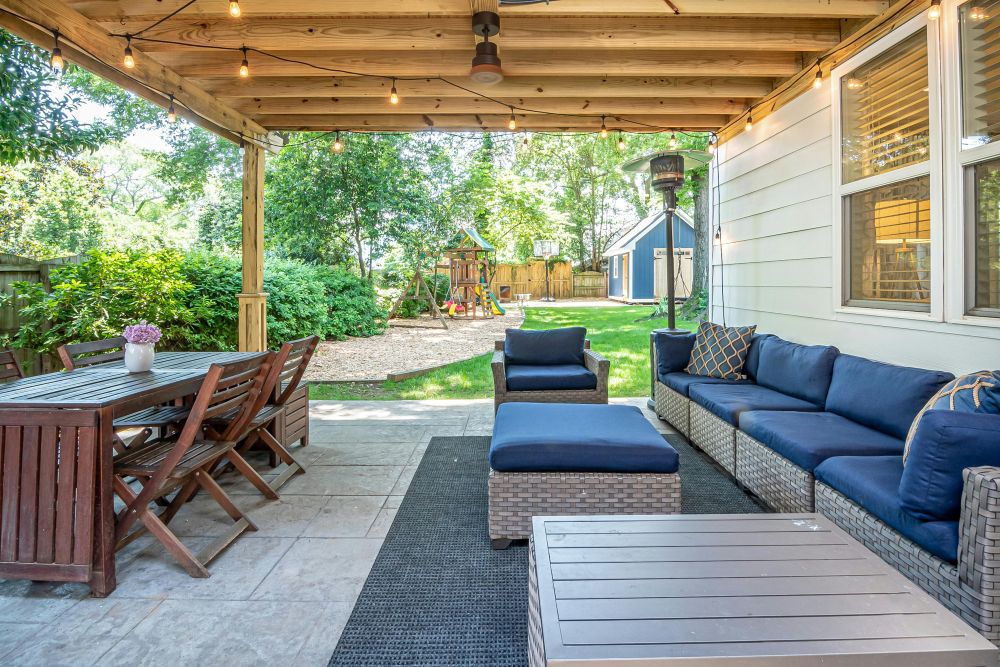
Stamped Concrete vs. Pavers in Virginia: Durability for Haymarket & Bristow Patios
If you’re a homeowner in Haymarket or Bristow thinking about adding a patio, you’ve probably already asked yourself: stamped concrete or pavers? It’s one of the most common questions we get at Nova Scapes, and honestly, it’s a good one worth taking time to answer. Both options look great in the right setting, but out here in Northern Virginia, the climate makes this decision more important than just picking what looks nice in a photo.
Our winters are cold, our summers are humid, and the soil in this area moves. That combination puts real stress on any outdoor surface. The choice you make now will determine how your patio holds up five, ten, or twenty years down the road. So let’s walk through it.
The Haymarket & Bristow Climate Challenge
Northern Virginia throws a lot at your outdoor surfaces. We go from sweaty August afternoons to hard freezes in January, sometimes within a matter of weeks in early spring or late fall. Add in heavy rain events, occasional ice storms, and plenty of UV exposure, and you’ve got a climate that tests materials in multiple ways at once.
Our soil doesn’t help either. A lot of the ground in communities around Bristow, Gainesville, and Haymarket has a significant clay content. Clay expands when wet and contracts when it dries out. That movement underneath a patio surface is something you have to account for from the start, not something you fix after the fact.
These are the realities we work with every time we design and install an outdoor living space in this area. They shape our recommendations.
Why Durability is Your Top Priority for Outdoor Spaces
A patio is a real investment. Most homeowners we work with aren’t thinking about replacing it in ten years. They want it done right and they want it to last. Durability isn’t just about whether the surface survives a hard winter. It’s about whether it still looks good, stays level, and stays clean without becoming a recurring problem.
A patio that cracks, spalls, or starts heaving creates headaches and repair costs that add up over time. Choosing a material that’s well suited to our local conditions from the beginning is the most straightforward way to avoid that. That’s why we always spend time on this conversation before any project moves forward.
The Relentless Freeze-Thaw Cycle in Northern Virginia
The freeze-thaw cycle is one of the most damaging forces on any patio surface in our region. Here’s what happens: water seeps into small cracks or pores in the paving material. Temperatures drop below freezing, that water turns to ice and expands. Then it thaws. Then it freezes again.
Water expands by roughly nine percent when it freezes. That might not sound like much, but that pressure, applied repeatedly across the surface of a patio over months and years, creates real structural stress. Materials that can’t flex or accommodate that movement are going to show it. You’ll see cracking, flaking, and surface deterioration as a direct result.
This is one of the central reasons the choice between stamped concrete and pavers matters as much as it does in a place like Bristow or Haymarket.
Soil Conditions and Drainage: Impact on Patio Stability
Clay-heavy soil is a fact of life in much of Prince William County. It swells when it absorbs moisture and shrinks when it dries out. That expansion and contraction puts stress on whatever is sitting on top of it, whether that’s a concrete slab or individual paver units.
Proper sub-base preparation and grading are essential for managing this. Water needs a clear path away from the patio surface and away from the structure of your home. If drainage isn’t addressed during installation, you end up with pooling water that makes the freeze-thaw cycle worse and accelerates settling. This is an area where cutting corners during installation creates expensive problems down the road.
Precipitation and Weathering: Long-Term Exposure Factors
Beyond the freeze-thaw cycle, consistent exposure to rain, snow, ice, and sunlight takes a steady toll on outdoor surfaces. UV rays degrade sealants and can fade color over time. Repeated saturation and drying weakens materials at the surface level and in the sub-base.
Year after year, that cumulative weathering effect separates materials that were well-suited to the climate from those that weren’t. When we evaluate options with a homeowner, we’re always thinking about how a surface will perform not just this summer but through ten or fifteen winters in Northern Virginia.
What is Stamped Concrete? Design Options and Surface Textures
Stamped concrete is a decorative concrete technique that gives you a lot of flexibility when it comes to appearance. Patterns can mimic flagstone, brick, slate, or more abstract designs. The installation process involves pouring a concrete slab and then pressing textured stamps into the surface while it’s still wet. Integral color or stains are added to complete the look.
The result is a uniform, connected surface that can be customized to match the style of your home. For homeowners who want a specific look at a lower upfront cost than natural stone or pavers, stamped concrete has real appeal.
Initial Advantages: Cost-Effectiveness and Design Versatility
The main draw of stamped concrete is the initial cost. For larger patio areas especially, the installation is typically less expensive than laying individual pavers. The design options are broad, and the finished surface can look quite impressive when it’s new and freshly sealed.
For homeowners working within a tighter budget who still want a clean, attractive outdoor space, stamped concrete can seem like a strong option. And in some situations, it is. But that initial cost comparison doesn’t tell the whole story, particularly in our climate.
Durability Concerns in Freeze-Thaw Climates: Cracking, Spalling, and Control Joints
This is where stamped concrete runs into real challenges in Northern Virginia. Concrete slabs are not flexible. When the ground beneath them moves, or when freeze-thaw pressure builds, they crack. The question isn’t really whether a concrete slab will crack in our climate; it’s when and where.
Control joints are cut into the slab intentionally to guide where those cracks occur, which keeps them from running randomly across the surface. But the joints themselves, and any cracks that form, become places where water gets in. Once water is getting beneath the slab or into the surface material, the deterioration cycle accelerates. You end up with spalling, pitting, and sections of the surface that start to break apart.
It’s not a flaw in the installation necessarily. It’s the nature of concrete in a climate like ours.
Maintenance for Longevity: The Critical Role of Sealing
To protect stamped concrete from moisture, staining, and UV damage, regular sealing is necessary. A quality sealer applied by a professional creates a barrier that slows weathering and helps protect the color. It also provides some resistance against de-icing salts in winter, which can be hard on concrete surfaces.
The catch is that sealants require reapplication, typically every one to three years depending on the product and how much exposure the surface gets. If that maintenance step is skipped, the surface becomes significantly more vulnerable to everything we’ve already discussed. Over time, the cost of that recurring sealing is something to factor into the real cost of ownership.
Repairing Stamped Concrete: Challenges and Solutions for Damaged Areas
When stamped concrete gets damaged, repair is complicated. Matching the original color and texture of an existing slab is difficult. Even with a skilled contractor, patches tend to be visible. Minor cracks or surface spalling can sometimes be addressed with patching compounds, but significant damage often means removing and replacing sections of the slab, which is expensive and disruptive.
This is one of the areas where stamped concrete’s long-term cost begins to climb. A single large repair event can easily exceed what you saved on installation. Homeowners don’t always account for this when they’re making the initial material decision.
What are Pavers? Materials, Patterns, and Interlocking Systems
Pavers are individual units, typically made from concrete, brick, or natural stone, that are laid on a compacted aggregate base with sand between them and the sub-base. The joints between pavers are filled with polymeric sand, which hardens and helps lock the system together.
Concrete pavers are the most common option we install at Nova Scapes. They come in a wide range of shapes, sizes, and colors, and the design flexibility is significant. Brick pavers offer a classic, durable look. Natural stone options like bluestone or granite bring a premium appearance and exceptional longevity. Whatever the material, the segmented system is what makes pavers behave differently from a poured slab.
Inherent Advantages: Flexibility, Repairability, and Permeable Options
The biggest structural advantage pavers have over stamped concrete is their inherent flexibility. Because they’re individual units with sand-filled joints between them, the system can absorb minor movement without cracking. If the ground beneath shifts slightly, a paver patio can adjust rather than fracture.
When damage does occur, whether it’s a stained paver, a cracked unit, or some settling in one area, the repair is straightforward. Individual pavers can be lifted out, the base can be adjusted, and new units can be set back in. Done well, the repair is nearly invisible. That kind of localized fix is simply not possible with a poured concrete slab.
Durability in Virginia: Resisting Movement and Frost Heave
In our climate, the flexibility of pavers is their most important quality. Frost heave, ground movement from clay expansion, and the freeze-thaw cycle that damages rigid slabs are all stresses that pavers handle better because they’re designed to flex, not resist.
Individual units may shift slightly over a hard winter, but the overall patio remains structurally sound. When significant movement does occur, it’s usually localized and fixable. This is very different from what happens to stamped concrete under the same conditions, where the same forces can create cracking and surface deterioration across a large portion of the slab.
Maintenance for Longevity: Joint Sand, Weeds, and Cleaning
Paver maintenance is real, but it’s generally manageable. The primary task is the joint material. Over time, the polymeric sand in the joints can compact or wash out, particularly after heavy rain events or aggressive pressure washing. Reapplying joint sand when needed keeps the system stable, helps prevent weeds from establishing, and deters insects from setting up in the gaps.
Regular sweeping and periodic pressure washing keep the surface looking clean. Optional sealing can enhance color and add some stain resistance, but it’s not as critical for structural protection as it is with stamped concrete. With consistent basic care, a well-installed paver patio in this area should hold up for decades.
Repairing Pavers: Simple Replacement for Localized Damage
This is where pavers shine from a long-term ownership standpoint. If a paver cracks or a stain won’t come out, the fix is to lift that unit and replace it. The process takes a fraction of the time and cost that a stamped concrete repair requires, and the result typically matches the surrounding surface well.
That repairability changes the math on long-term cost significantly. Pavers cost more to install than stamped concrete, but the repair and maintenance costs over the life of the patio often tell a different story.
Resistance to Freeze-Thaw Damage: Stamped Concrete vs. Pavers
When you set stamped concrete and concrete pavers side by side specifically in the context of Northern Virginia winters, the freeze-thaw performance gap becomes clear. A concrete slab has no way to flex when freezing water creates internal pressure. Cracks form and surface deterioration follows.
Pavers, by design, allow for movement and drainage. Water can work its way out of the system through the joints rather than building up inside a rigid surface. That drainage advantage, combined with the flexibility of individual units, makes pavers significantly more resistant to freeze-thaw damage over time.
Impact of Soil Movement and Settling: Which Material Flexes Better?
Clay soils in Haymarket and Bristow move with the seasons. That’s just the reality of building on this ground. A stamped concrete slab can’t accommodate that movement. When the soil beneath it shifts, the slab reflects that stress through cracking or heaving.
Pavers are built for exactly this environment. The interlocking system allows small movements to distribute across multiple units without compromising the patio’s overall structure. Minor settling can usually be addressed by lifting and resetting individual pavers, which is a simple fix compared to dealing with a cracked slab.
The Reality of Cracking and Shifting: Long-Term Performance Expectations
With stamped concrete in Northern Virginia, some degree of cracking over time is an expected outcome, not an exceptional one. Proper installation and well-placed control joints reduce the impact, but they don’t eliminate it. Homeowners who go into a stamped concrete project with that expectation make better decisions about maintenance and repair planning.
Pavers, on the other hand, consistently maintain their structural integrity better over the long haul in this climate. Individual units may become slightly uneven after several years, but the overall system stays cohesive. That’s a meaningful difference when you’re thinking about a patio you want to enjoy for fifteen or twenty years.
Ease and Cost-Effectiveness of Repairs in a Virginia Context
Repair costs over the life of the patio are where the initial savings of stamped concrete often get eaten up. A localized spall or crack in a concrete slab requires either accepting the visible damage, attempting a patch that likely won’t match, or replacing a significant section of the surface. Any of those outcomes costs money and disrupts your outdoor space.
A damaged paver is a straightforward swap. The fix is clean, relatively quick, and won’t break the budget. Over a twenty-year span, that difference in repairability translates into real savings and fewer headaches.
Weathering and Fading: Maintaining Aesthetics Over Time
Both materials are affected by long-term weathering, but they hold up differently. Stamped concrete relies heavily on its sealant to protect color and surface integrity. When that sealant breaks down and isn’t reapplied promptly, UV exposure and moisture can fade the color and degrade the surface texture relatively quickly.
Quality concrete pavers, brick, or natural stone tend to hold their color better over time. Some gradual fading is normal, but the overall appearance typically stays consistent longer without the same level of protective maintenance that stamped concrete demands. The wide range of color blends available in pavers also makes it easier to achieve a finished look that weathers gracefully.
Initial Installation Costs: Stamped Concrete vs. Pavers
Stamped concrete generally costs less to install than pavers, especially for larger areas with complex patterns. The labor involved in forming, pouring, and finishing a slab is typically less time-intensive than the careful, unit-by-unit process of paver installation. For homeowners focused on upfront budget, this difference is real and worth acknowledging.
That said, the right comparison isn’t just the installation invoice. It’s the total cost of owning and maintaining that surface over the years you plan to use it.
Long-Term Maintenance Costs: A Decade-by-Decade Outlook
Stamped concrete requires professional sealing on a regular cycle, typically every one to three years. That recurring cost, combined with any cleaning products or spot treatments, adds up over time. Skipping it increases the risk of accelerated deterioration, which only makes future repair costs higher.
Paver maintenance is primarily joint sand replenishment, which is a relatively straightforward and lower-cost task. Pressure washing and occasional sealing round out the upkeep. The annual cost of maintaining a paver patio is generally lower than keeping stamped concrete in good shape, and the risk of a major repair event is significantly reduced.
The True Cost of Ownership: Factoring in Repairs and Replacements
When you look at a patio over a twenty-five or thirty year lifespan, pavers consistently come out ahead on cost for most homeowners in our area. The higher installation price gets offset by lower maintenance costs, simpler repairs, and a much smaller chance of facing a costly slab replacement.
Stamped concrete can work out well if it’s properly installed, consistently sealed, and the homeowner is prepared for the repairs that are likely to be needed over time. But the total cost of ownership comparison in our climate favors pavers in most situations. That’s an honest assessment from someone who works with both materials.
Importance of Proper Sub-Base Preparation: Crucial for Both
Regardless of which surface material you choose, what goes underneath matters just as much. A properly excavated, compacted aggregate base with adequate drainage is non-negotiable. In our area, with clay soils that expand and contract, the sub-base work is especially important.
A weak or improperly prepared foundation will cause problems regardless of whether you have stamped concrete or pavers on top. For stamped concrete, it accelerates cracking. For pavers, it leads to shifting and settling. Any contractor you’re considering should be able to walk you through their sub-base preparation process in detail. If they can’t or won’t, that’s a sign to keep looking.
Expansion/Control Joints for Stamped Concrete: Essential for Mitigation
For stamped concrete, properly placed control joints are one of the most important steps in managing long-term performance. These intentional cuts in the slab guide where cracks will form, keeping them in less visible locations and preventing random cracking across the surface.
Depth, spacing, and placement all matter. Control joints done correctly don’t prevent cracking; they manage it. In a climate like Northern Virginia’s, where thermal expansion and freeze-thaw pressure are consistent stresses, well-placed control joints are a critical part of getting the best possible performance out of a concrete slab.
Edge Restraints and Joint Stabilization for Pavers: Key Components for Stability
Pavers need solid edge restraints along the perimeter to keep units from migrating outward over time. Without them, especially in areas that experience ground movement, the edges of the patio can start to spread and the surface loses its clean, finished look.
Polymeric sand in the joints is equally important. When it sets properly, it locks the paver system together, resists weed growth, and holds up through rain and pressure washing better than regular sand. Both the edge restraints and the joint material are details that separate a well-built paver installation from one that starts showing problems within a few years.
Why Local Expertise Matters: Understanding Haymarket & Bristow Specifics
A contractor who has worked in this specific area understands the local soil, the drainage patterns, and how Northern Virginia winters actually behave. That experience matters when it comes to decisions like sub-base depth, aggregate selection, drainage grading, and joint material choice.
General knowledge about patio installation is useful, but experience working with the specific conditions in communities like Bristow, Gainesville, and Haymarket is what helps you avoid the common failure points. It’s something we’ve built over years of working in this area, and it’s something worth asking about when you’re evaluating any contractor for a hardscaping project.
Manufacturer Guarantees and Warranties: What to Look For
Reputable paver manufacturers typically offer warranties against cracking and fading when their products are installed according to specification. Those warranties can give you a clearer picture of how the manufacturer stands behind long-term performance.
Warranties on stamped concrete are more variable and often focused on workmanship rather than material performance. Given the inherent limitations of concrete in a climate like ours, it’s worth asking specific questions about what’s covered, for how long, and what voids the coverage. Don’t just accept general assurances. Get the details in writing.
Prioritizing Your Needs: Aesthetics, Durability, or Budget?
If long-term durability and minimal repair risk are your top priorities, pavers are the stronger choice for most homeowners in Haymarket and Bristow. They handle our climate better, they’re easier to repair when something does go wrong, and they maintain their integrity longer.
If your budget is the primary constraint and you’re comfortable with the maintenance commitment and the repair realities that come with stamped concrete, it can still be a workable option. The key is going in with clear expectations rather than finding out five years later that you’ve got a cracking slab and a difficult repair decision on your hands.
Considering Your Lifestyle and Maintenance Commitment
How much time and attention you’re willing to put into your patio each year should be part of this conversation. Stamped concrete needs consistent sealing to perform well. If that’s something you’ll stay on top of, the surface can hold up reasonably well. If it’s the kind of maintenance that’s likely to slip, you’ll see the consequences in the condition of the surface.
Pavers require regular attention to the joint material and periodic cleaning, but the stakes of missing a maintenance step are generally lower. Both options need some care. The type of care and the cost of neglecting it differ meaningfully.
Seeking Local Expert Advice: Importance of Consulting Regional Professionals
Before you make this decision, talk to someone who has installed both materials in your area and can look at your specific site. Slope, drainage, soil conditions, how you plan to use the space, and your budget all factor into which option makes the most sense for your property.
At Nova Scapes, we walk through all of this before making a recommendation. The goal is to help you make a decision that holds up over time, not just one that looks good on paper. We’ve worked in these neighborhoods long enough to know how our climate behaves and what performs well in it.
The Long-Term Investment: Which Patio Surface is Right for You?
Pavers generally represent the stronger long-term investment for homeowners in Northern Virginia. The upfront cost is higher, but the durability in our climate, the ease of repair, and the lower long-term maintenance cost make them a more predictable choice over the life of the patio.
Stamped concrete has its place, and in the right situation with the right expectations, it can work well. But for homeowners who want a patio they can count on for the long haul without recurring repairs and escalating costs, pavers are usually the right answer in this region.
A Durable Patio for Years of Enjoyment in Northern Virginia
For homeowners in Haymarket and Bristow, choosing a patio surface comes down to balancing what you want it to look like with what our climate will put it through. Stamped concrete offers an attractive entry price and solid design flexibility, but its vulnerability to cracking, spalling, and freeze-thaw damage in Northern Virginia is a real long-term concern. Repairs are costly and difficult to do invisibly, which limits your options when problems arise.
Pavers are built for this kind of environment. Their flexibility, their ease of repair, and their resistance to the forces that do the most damage in our region make them a more resilient and cost-effective choice for most homeowners over the full life of the patio. A well-installed paver patio, done on a proper base with quality joint material and edge restraints, should serve your family for many years without becoming a recurring headache.
If you’re weighing your options and want to talk through what makes sense for your property, we’re happy to take a look. That’s what we’re here for. Contact Ryan to chat through your outdoor living project.
